Expert guides for homeowners, farmers, and commercial clients across South Africa. Browse by topic or scroll all articles below. Full in-depth articles are published monthly.
Borehole Drilling Insights & Guides
Expert guides for homeowners, farmers, and commercial clients across South Africa. Browse by topic or scroll all articles below. Full in-depth articles are published monthly.
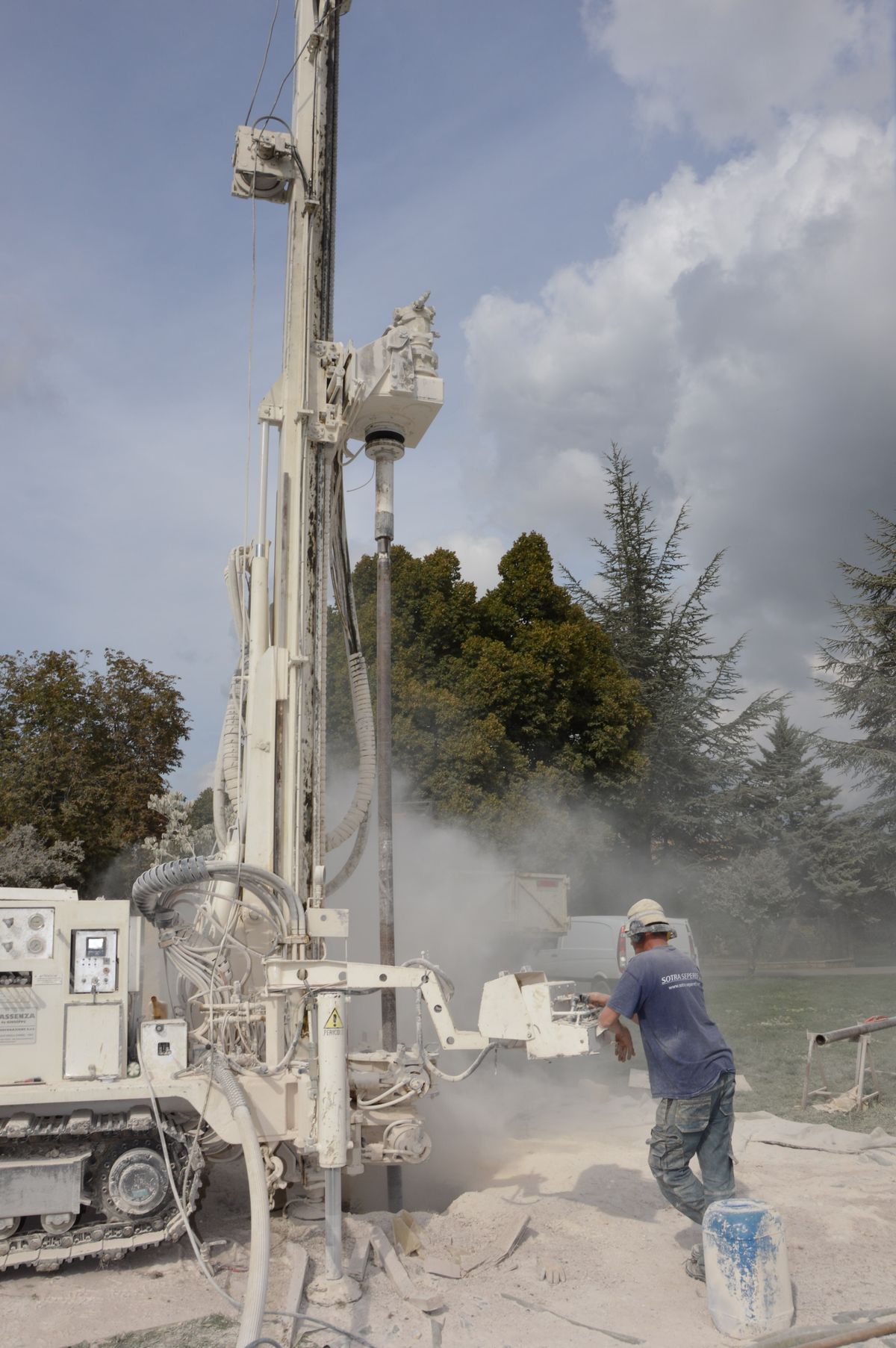
Every Everest Drilling project follows a structured process: geophysical survey → site preparation → rotary percussion drilling → casing installation → pump fitting → commissioning. Understanding each stage helps you know what to expect and why each step exists.
Read Full Article →A geophysical survey uses electromagnetic scanning technology to map underground rock formations and identify water-bearing fractures before any drilling begins. It is the single most important step in reducing drilling risk and locating productive aquifer zones on your property.
Read Full Article →Municipal water provides convenience but comes with escalating tariffs, restrictions, ageing infrastructure, and supply interruptions. A borehole provides an on-site, independent water source. This guide compares both options across reliability, supply volume, control, and long-term considerations for South African properties.
Read Full Article →Municipal water interruptions and load shedding put hospitality businesses at risk. A solar-powered borehole system gives guest houses and lodges on the Wild Coast and Eastern Cape a fully independent water supply — no municipal dependency, no delivery schedules, no gaps for guests.
Read Full Article →Water tankers solve an immediate problem but create an ongoing cost with no infrastructure built. A borehole is a once-off investment that delivers independent water for the life of the property. This guide sets out the practical considerations for South African homeowners, farmers and business operators.
Read Full Article →Mthatha's water supply faces pressure from load shedding, ageing infrastructure and growing demand. A private borehole gives homes and businesses in OR Tambo an independent, year-round water source that is entirely separate from the municipal network.
Read Full Article →The Wild Coast sits on fractured shale, sandstone and dolerite formations. Water is held in underground fractures that require a geophysical survey to locate accurately. This guide explains what property owners, lodge operators and farmers on the Wild Coast need to know before drilling.
Read Full Article →The Transkei region spans OR Tambo, Alfred Nzo and surrounding district municipalities — areas where municipal water infrastructure struggles to meet demand. This guide explains the geology, drilling depths, solar pump options and what to expect from a borehole installation across the Transkei.
Read Full Article →Eskom outages interrupt the pumping stations and treatment plants that keep municipal water flowing. Many South African homes and businesses experience water supply failures during extended load shedding — often without realising why. A borehole with a solar or battery-backed pump removes this dependency entirely.
Read Full Article →Submersible pumps are installed below water level inside the borehole casing and deliver pressurised water to your property automatically. Hand pumps are manually operated, require no electricity, and suit remote or backup applications. Choosing the right pump depends on your application, location, and infrastructure. Everest installs and commissions both types.
Read Full Article →An overhead tank stores water at elevation, allowing gravity to deliver consistent pressure to taps, toilets, and irrigation systems without requiring a continuously running pump. When paired with a borehole submersible pump, an elevated tank creates a reliable, pressure-fed water system that operates independently of municipal supply and Eskom.
Read Full Article →Reduced flow, pump noise, air discharge, and silty water are among the most common borehole issues South African property owners encounter. Most problems have identifiable causes — worn pump impellers, borehole siltation, casing damage, or pump sizing mismatches. Understanding the cause is the first step to the right solution.
Read Full Article →Drilling without a survey risks a dry or low-yielding borehole. A geophysical survey maps underground fractures and aquifer zones using electromagnetic technology before a single metre is drilled — identifying the optimal location on your property. It is the most cost-effective risk reduction step in any borehole project.
Read Full Article →South African farms face ongoing water supply pressure from municipal restrictions, drought cycles, and escalating tariffs. A farm borehole provides an independent, on-property water source for irrigation, livestock, worker facilities, and processing operations. Geophysical surveying is particularly important on agricultural land where water-bearing zones may be deep or irregular.
Read Full Article →A correctly installed borehole with a properly sized pump and regular maintenance can provide reliable water supply for decades. Key maintenance areas include periodic pump inspections, monitoring changes in flow behaviour, keeping the borehole headwork sealed, and protecting casing from surface contamination.
Read Full Article →Municipal water restrictions, rising tariffs, ageing infrastructure, and load-shedding-related supply disruptions have made borehole water a practical consideration for South African homeowners — not just farms. A residential borehole provides an on-property water supply for garden irrigation, toilet flushing, car washing, and supplementary household use.
Read Full Article →Commercial properties, industrial facilities, office parks, construction sites, and manufacturing operations often require water volumes that municipal supply cannot reliably deliver. A commercial borehole provides a dedicated, high-volume water source with a multi-borehole system available for larger demand applications. Everest Drilling's industrial-grade rigs handle the deep, hard-rock formations common in commercial zones.
Read Full Article →What does a borehole actually cost in the Eastern Cape? Depth, geology, pump selection, overhead tank, and installation all affect the final project figure. This guide breaks down each cost component so you can budget accurately and ask the right questions when comparing quotes.
Read Full Article →A geophysical survey pinpoints the best drilling site before a single metre is drilled — reducing the risk of a dry or low-yield borehole. Learn how Everest Drilling's survey team uses resistivity and seismic methods to map subsurface water-bearing fractures across South Africa.
Read Full Article →After drilling, the right pump and installation make the difference between a productive borehole and a costly disappointment. This guide covers submersible pump sizing, drop-pipe depth, rising-main material, and control-panel wiring for South African conditions.
Read Full Article →A solar borehole pump system draws water during daylight hours, fills an overhead storage tank, and supplies the property by gravity around the clock — with no Eskom connection and no generator required. Ideal for farms, rural homes, and any property where grid reliability is uncertain.
Read Full Article →When a borehole's yield drops, water becomes discoloured, or the pump trips more often than before — rehabilitation may restore performance without the cost of drilling a new borehole. Learn the signs, the process, and when to rehabilitate vs. redrill.
Read Full Article →Commercial and industrial operations need water volumes that municipal supply often can't reliably deliver. A commercial borehole provides a dedicated high-volume source — sized for factories, office parks, construction sites, schools, and hospitality properties.
Read Full Article →An elevated storage tank turns a borehole pump into a 24-hour water supply — filling during the day (or during solar hours) and supplying the property by gravity around the clock. Learn how to size, site, and install the right overhead tank for your property.
Read Full Article →A yield test measures how much water your borehole can sustainably supply — the most important number in any borehole project. Learn how yield tests are conducted, what the figures mean, and how yield drives pump selection and storage tank sizing.
Read Full Article →Borehole depth varies enormously across South Africa — from shallow alluvial targets on the KZN coast to deep dolerite fractures in the Eastern Cape interior. Learn what drives depth requirements in each geological province and how surveys target the right depth.
Read Full Article →South Africa's two main geological environments demand different drilling approaches. Hard rock targets (dolerite, quartzite) require heavy-duty rigs and longer drill times; sedimentary formations progress faster and shallower. Your geology determines your project.
Read Full Article →Borehole casing supports the borehole wall, seals out surface contamination, and houses the pump and rising main. Steel or uPVC? The choice depends on formation stability, borehole diameter, and application. This guide explains both options for SA conditions.
Read Full Article →Game farms need water at multiple remote points — drinking troughs, ablution blocks, bush camps, staff quarters — without reliable grid power. Multi-borehole strategies and solar pump systems with overhead tanks and reticulation solve this completely.
Read Full Article →Most of South Africa is underlain by groundwater-bearing formations — from Karoo sediments and dolerite fractures to coastal alluvial aquifers. Understanding aquifer types explains why some boreholes hit water at 30m and others require 200m of drilling.
Read Full Article →Elevated tanks provide gravity-fed supply without a pressure pump — water flows even during load shedding. Underground tanks stay cool and hidden, but need a pressure pump. For solar borehole systems, the overhead tank is almost always the right choice.
Read Full Article →A geophysical survey report contains resistivity profiles, an interpreted subsurface section, and a drill target recommendation. Learn what each part means, what to ask your geophysicist, and how Everest Drilling uses the report to plan your drill programme.
Read Full Article →A borehole that once performed well can decline over time — dropping yield, discoloured water, pump trips, premature motor failures. Catch the signs early and rehabilitation can restore performance without the cost of a new borehole.
Read Full Article →The pipework between your borehole and property determines pressure, flow, and reliability. Rising main material, tank connections, municipal bypass valves, and irrigation zones all need to be planned before installation begins.
Read Full Article →The Eastern Cape's mix of Karoo Supergroup sediments, dolerite intrusions, Wild Coast coastal formations, and Alfred Nzo highland geology creates very different drilling conditions across the province. Know what to expect before you drill.
Read Full Article →Undersized and you run dry; oversized and you damage the aquifer. Pump selection starts with four inputs — borehole yield, total dynamic head, daily demand, and casing diameter. This guide walks through each factor so you can ask the right questions and get the right pump.
Read Full Article →Irrigation is one of the highest demands a borehole can face. Getting the pump sizing, storage strategy, and distribution design right matters — whether you're running drip irrigation on a smallholding or overhead sprinklers on a commercial farm.
Read Full Article →Construction sites need water for concrete mixing, dust suppression, ablution facilities, and equipment — and municipal connections are often delayed, inadequate, or interrupted. A temporary or permanent borehole solves the problem from day one.
Read Full Article →A pump controller is the most important protection your borehole system has. Dry-run protection, float switch integration, soft-start, and overcurrent cutoff all work together to keep the submersible pump running for years — not months. Here's how each function works.
Read Full Article →Drilling completes the hole — but there are 7 more steps before water flows from your tap. Borehole development, yield testing, pump installation, rising main, overhead tank, reticulation, and control panel: here's what each step involves and why it matters.
Read Full Article →How a rural homeowner in the Eastern Cape achieved full water independence using a geophysical survey, borehole, solar pump, and gravity-fed overhead tank system.
Read Case Study →Multi-borehole solar pump system supplying wildlife watering points across a game reserve in the Eastern Cape — entirely off-grid, year-round supply.
Read Case Study →High-yield borehole system reducing a manufacturing facility's municipal water costs and eliminating production risk from municipal supply interruptions.
Read Case Study →Year-round irrigation for a vegetable farm in the Eastern Cape, replacing seasonal dam dependency with a geophysical-survey borehole sized to the irrigation system's peak demand.
Read Case Study →Contact Everest Drilling to discuss your borehole water supply project.
Contact Us