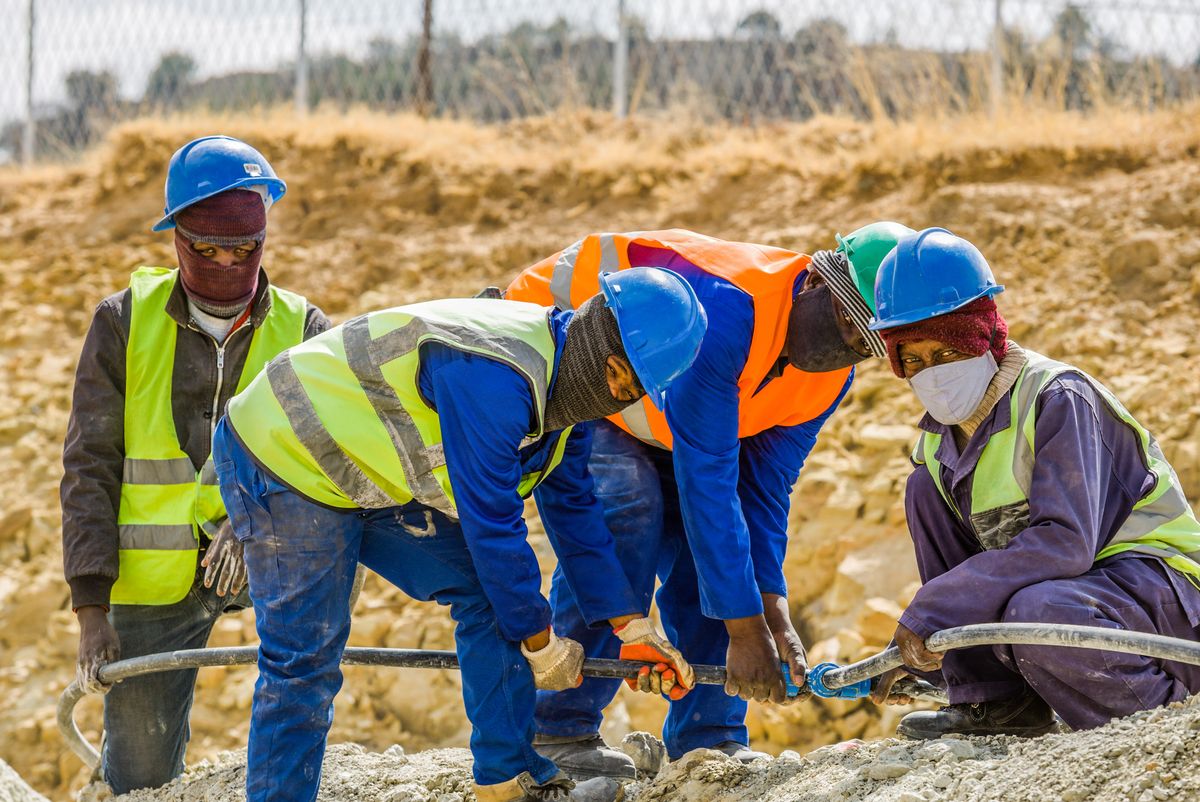
Boreholes are long-life assets — but they are not maintenance-free. Over time, sediment accumulation, casing wear, biofouling, and pump deterioration can all reduce a borehole's productivity or cause it to fail entirely. In many cases, a targeted rehabilitation programme can restore the borehole to near-original performance at a fraction of the cost of drilling a replacement.
Signs Your Borehole Needs Attention
Reduced Flow
Less water at the tap than previously, or the pump struggling to maintain supply during peak demand.
Silty or Sandy Water
Fine sediment coming through the taps or accumulating in the tank and filters.
Pump Noise
Unusual grinding, knocking, or vibration from the pump — indicating wear or sediment ingestion.
Air from Taps
Spitting or air in the water supply when the pump runs — a sign the pump is drawing down below its intake level.
Any of these signs warrants an inspection before the situation deteriorates further. A pump running dry repeatedly will fail quickly. Sediment entering the system in quantity can damage distribution fixtures and appliances downstream.
The Rehabilitation Process
Borehole Inspection
The pump is pulled and the borehole condition assessed. This includes checking the casing, screen, pump components, and the static and dynamic water levels.
Problem Identification
The cause of reduced performance is identified — whether it is sediment accumulation, biofouling, casing deterioration, pump wear, or a change in the aquifer.
Rehabilitation Works
Depending on the diagnosis: borehole cleaning and surging to remove accumulated sediment; pump repair or replacement; casing repair where deterioration has allowed fine material ingress; or redevelopment to restore aquifer productivity around the borehole screen.
Yield Test & Recommission
After rehabilitation, a yield test confirms the restored performance. The pump is reinstalled and the system recommissioned with dry-run protection verified.
Rehabilitate vs redrill: In some cases — particularly where the aquifer has fundamentally changed or where casing failure is extensive — rehabilitation may have limited effect and a new borehole is the more practical solution. Everest Drilling will advise honestly on which option makes sense for your specific borehole, based on the inspection findings.
What Causes Reduced Borehole Yield?
- Sediment accumulation — fine material settling in the borehole and blocking the screen slots over time
- Biofouling — iron bacteria and mineral deposits coating the borehole screen and casing perforations, restricting flow into the borehole
- Pump wear — impeller and bearing wear reducing pump output independently of borehole yield
- Casing deterioration — older steel casings corroding and allowing fine material to bypass the screen
- Aquifer change — seasonal or longer-term variation in the water table affecting the productive depth of the borehole
- Oversized pump — a pump drawing faster than the borehole can sustain causes progressive drawdown and sediment ingestion
Frequently Asked Questions
Can a borehole be rehabilitated?
Yes — in many cases a borehole that has declined in yield or developed silt and sediment problems can be rehabilitated to restore productivity. The approach depends on the cause of the problem. Mechanical blockages, sediment buildup, and borehole screen deterioration are all addressable through rehabilitation. In some cases where the aquifer itself has changed, rehabilitation may have limited effect and redrilling may be the better option. Everest Drilling assesses the borehole condition before recommending a course of action.
How do I know if my borehole needs repair or rehabilitation?
Key signs that a borehole needs attention include: reduced water flow at the tap compared to previous performance; silty or sandy water coming from the taps; unusual pump noise such as grinding, knocking, or vibration; air or spitting from taps when the pump is running; the pump running more frequently than previously to maintain supply; and visible sand or sediment in the tank or filter. Any of these signs warrants an inspection before the problem worsens.
What causes reduced borehole yield over time?
Reduced borehole yield can have several causes: sediment and fine material accumulating in the borehole and blocking the screen; biofouling where bacteria and mineral deposits coat the borehole walls and casing perforations; changes in the aquifer due to drought or seasonal water table variation; pump wear reducing the pump's output even though the borehole itself is productive; and casing deterioration allowing fine material to enter. A borehole inspection identifies which cause applies so the correct rehabilitation approach can be taken.