Guest houses, bed-and-breakfasts and self-catering lodges along the Eastern Cape Wild Coast and inland areas face a specific version of South Africa's water challenge. Unlike a private home, a hospitality property cannot ask guests to reduce water use, reschedule activities, or accept an interruption during their stay. Water availability is not a luxury for a hospitality business — it is a baseline operating requirement.
Municipal water interruptions, load shedding-related supply failures, and the absence of any reticulation network in remote coastal areas all create the same problem: the inability to guarantee a basic service to paying guests. An independent borehole system removes this risk entirely.
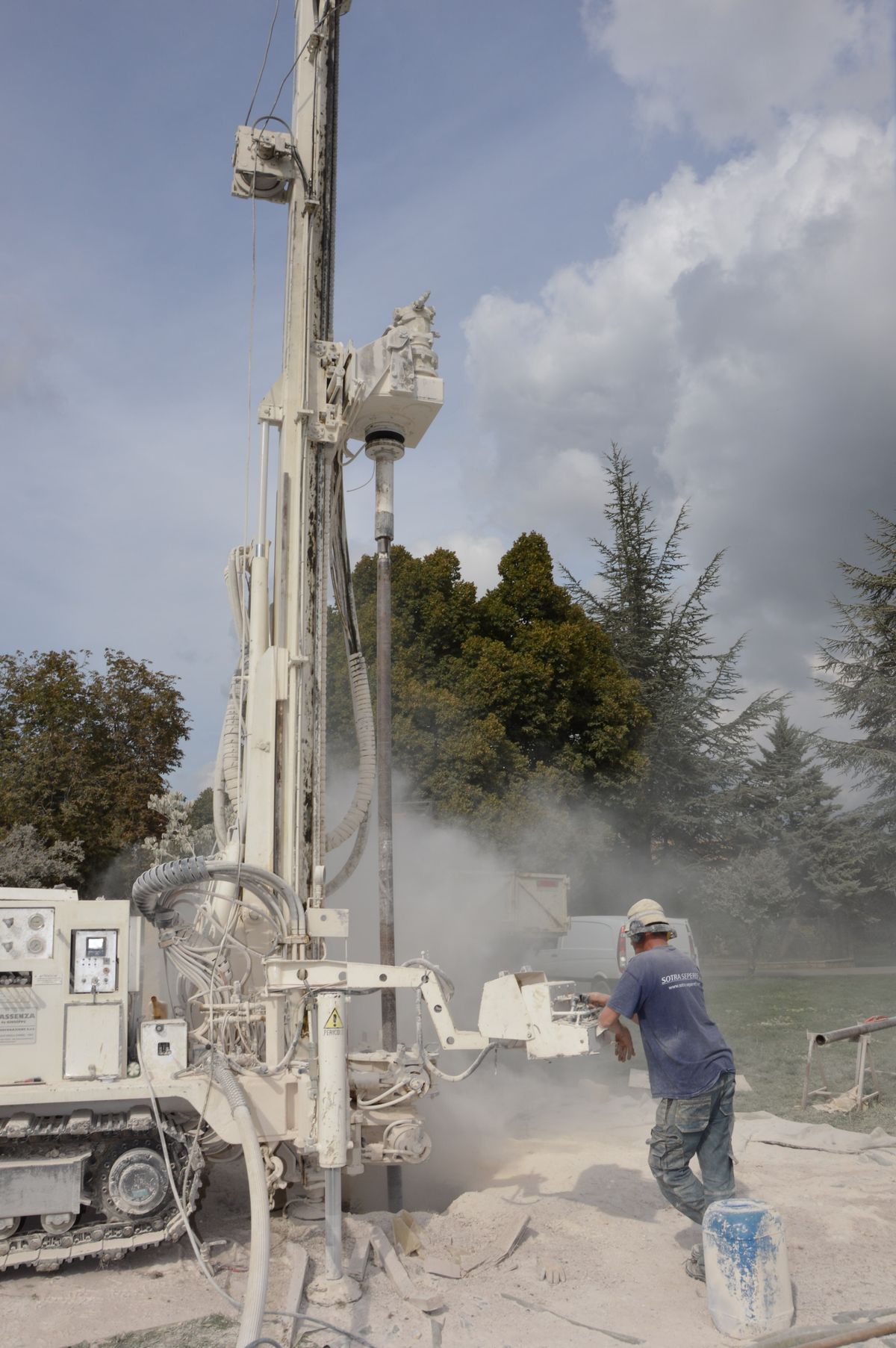
Everest Drilling designs and installs borehole systems for guest houses, lodges and B&Bs across the Eastern Cape and Wild Coast. This guide explains what a hospitality property needs and how to plan a system that delivers reliable water around the clock.
Why Hospitality Properties Need Independent Water Supply
The economics are straightforward. A guest house that cannot supply water during a municipal interruption risks:
- Negative reviews and damaged reputation — affecting future bookings
- Forced refunds or discounts for guests affected by supply failures
- Operational shutdowns during high-revenue periods (peak tourist season on the Wild Coast typically coincides with Eastern Cape dry-season water stress)
A private borehole eliminates each of these risks. Once installed, it operates independently of municipal infrastructure, Eskom load shedding, and seasonal surface water availability. The water source is on the property and under the owner's control.
Borehole + Overhead Tank: The Hospitality Standard
The standard configuration for a guest house borehole system is a submersible pump drawing from the borehole into an elevated overhead tank. The tank provides gravity-fed pressure throughout the property, feeding guest rooms, kitchens, bathrooms and outdoor areas simultaneously without the need for a booster pump in most cases.
Tank sizing for a hospitality property requires careful calculation. A family home might need 2,000–5,000 litres of daily storage. A guest lodge with multiple en-suite rooms, a kitchen and laundry facility may need substantially more. Everest Drilling calculates storage requirements as part of the project scope — tank capacity should not be guessed or underspecified.
- Geophysical survey to identify groundwater location
- Drilled and cased borehole to confirmed depth (up to 250 m)
- Submersible pump sized to borehole yield and property demand
- Rising main and control panel
- Elevated storage tank sized to daily demand
- Solar panel array (for off-grid or load-shedding resilience)
Solar Systems for Load-Shedding Resilience
The Eastern Cape Wild Coast experiences both frequent Eskom load shedding and, in many areas, no grid electricity at all. For guest houses in either situation, a solar-powered borehole pump is the reliable solution.
Solar panels drive the submersible pump during daylight hours, filling the overhead tank continuously. At night, the stored water delivers by gravity to all property outlets. Guests experience uninterrupted water supply regardless of the electricity situation — which is exactly what a hospitality business requires.
For a guest house on the Wild Coast or in rural Eastern Cape, a solar-powered borehole system means your water supply is completely self-sufficient. No grid power, no municipal infrastructure, no tanker deliveries — just consistent water from the ground beneath your property.
Geophysical Survey First — Every Time
A geophysical survey is the first step for every Everest Drilling project, and it is particularly important for a hospitality property where the stakes of a dry or low-yielding borehole are high. The survey maps underground fracture systems, identifies productive drilling positions, and determines the appropriate depth target before a metre of ground is disturbed.
Everest Drilling guarantees the depth of the borehole as quoted and drilled. The survey is what makes that guarantee meaningful — it ensures the borehole is placed where groundwater exists, not where it is convenient to drill.
Planning Your Guest House Borehole System
When planning a borehole for a hospitality property, Everest Drilling works through the following with each client:
- Daily water demand: Number of guest rooms, en-suites, kitchen volumes, laundry, garden irrigation
- Power availability: Grid, solar or hybrid — and load shedding exposure
- Existing storage: Whether the property has any existing tanks and their capacity
- Site access: Drilling rig access, terrain, and elevated tank placement options
Contact Everest Drilling for a project-specific quotation. We serve guest houses and lodges across the Eastern Cape Wild Coast, OR Tambo District, and surrounding provinces.
Frequently Asked Questions
Related Reading
Get Your Water Independence
Contact Everest Drilling for a site assessment and project-specific quotation. We serve the Eastern Cape, KwaZulu-Natal, Gauteng and surrounding provinces.