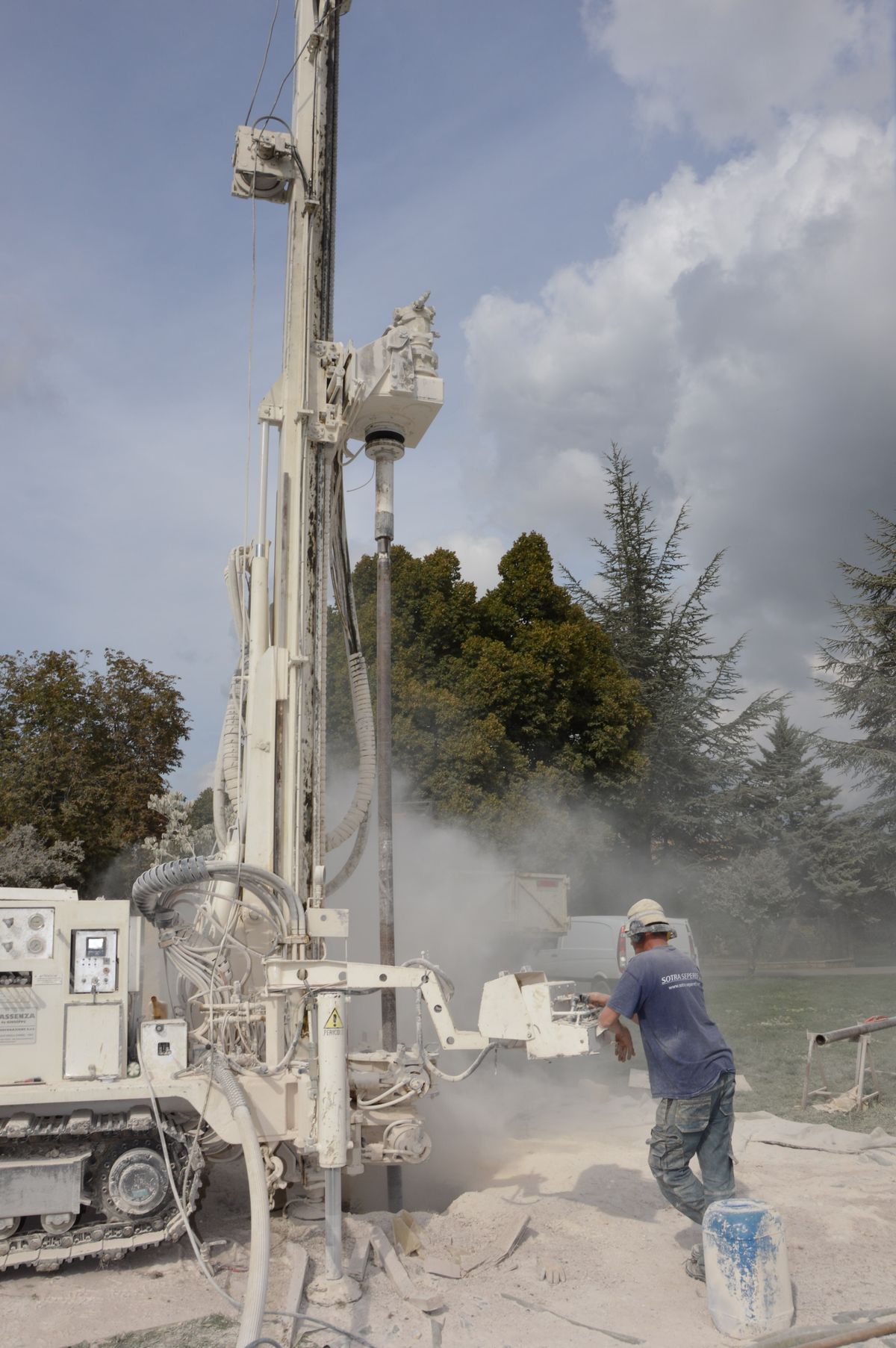
A borehole is not a install-and-forget system. Like any mechanical and civil infrastructure, it requires periodic attention to maintain performance and to catch developing problems before they become failures. A correctly installed borehole with a properly sized pump and appropriate maintenance can provide reliable water supply for many years. The key is knowing what to monitor and when to act.
The Four Main Areas of Borehole Maintenance
Borehole maintenance covers four areas: the pump and motor assembly, the borehole itself, the headwork and surface infrastructure, and the pipe and valve system between the borehole and the point of use. Each area has different maintenance needs and different failure indicators.
The submersible pump and motor are the most mechanically active components of the system and the most likely to require attention over time. Impeller wear, motor winding degradation, and bearing wear are the primary causes of pump performance decline. The main indicator is a gradual or sudden reduction in flow rate. Where a pump delivers noticeably less water than it previously did under the same conditions, the pump assembly warrants inspection by a qualified technician.
Over time, boreholes can experience siltation — fine particles gradually accumulating at the bottom of the hole — or biofouling, where iron-oxidising bacteria form deposits on the casing screen and pump intake. Both conditions reduce effective yield. For a full list of warning indicators, see signs your borehole needs rehabilitation. Borehole rehabilitation — including jetting, surging, or chemical treatment depending on the cause — can restore performance in many cases.
The borehole headwork is the seal between the borehole casing and the surface. A damaged or degraded headwork can allow surface water, insects, and foreign material to enter the borehole — affecting water quality and potentially causing long-term casing damage. The headwork should be visually inspected periodically and any cracks, gaps, or corrosion addressed promptly. The area immediately around the headwork should be kept clear of standing water and vegetation.
The above-ground components — rising main, foot valve, non-return valve, pressure switch, and storage tank — all require periodic inspection. Common issues include corroded or leaking joints, a faulty foot valve causing the pump to lose prime, or a failed non-return valve causing backflow. The storage tank should be inspected for cracks, sediment accumulation, and integrity of the inlet and outlet fittings.
What to Monitor on an Ongoing Basis
Property owners who monitor a few simple indicators on an ongoing basis are far more likely to catch developing problems early, before they cause system failure or require more extensive repair:
- Flow rate: Has the delivery rate noticeably changed? A gradual decline is often the first sign of pump wear or borehole siltation.
- Pump run time: Is the pump running longer than usual to fill the storage tank? This indicates reduced delivery per minute.
- Unusual noises: Rattling, grinding, or vibration from the pump or pipework suggests mechanical wear or air ingestion.
- Air from taps: Intermittent air discharge usually indicates the water level is dropping to the pump intake, or a suction-side air leak.
- Discolouration: Persistent cloudiness, rust colour, or sediment suggests a borehole or pump issue requiring investigation.
- Control panel behaviour: Frequent trips, overload cuts, or pressure switch cycling that is more rapid than usual all warrant investigation.
How Often Should a Borehole System Be Serviced?
There is no universal fixed interval for borehole servicing — it depends on the intensity of use, the pump type and size, and the local geological and water chemistry conditions. As a general guide, a professional inspection of the pump, control panel, and above-ground infrastructure every few years is a reasonable practice for a regularly used residential or light commercial borehole. Higher-use agricultural or commercial systems benefit from more frequent inspections.
The most important trigger for a professional inspection is a noticeable change in system behaviour — a change in flow, noise, water appearance, or electrical behaviour should always prompt investigation rather than being left to resolve itself.
Key principle: Borehole problems that are caught early — reduced flow, unusual noise, minor discolouration — are almost always less disruptive and less costly to address than the same problems after they have been allowed to progress to system failure. Periodic monitoring by the property owner is the most effective form of maintenance available.
When to Call a Professional
Some borehole maintenance tasks — visual inspection of the headwork, monitoring flow rate, checking for air from taps — can be done by the property owner. But any intervention that involves pulling the pump, working on the electrical control system, or addressing borehole casing issues requires a qualified borehole technician. Attempting to pull a submersible pump without the correct equipment can damage the pump, the rising main, or the casing.
Contact Everest Drilling if you observe any of the indicators listed above, or if your borehole system has not been professionally inspected and you are uncertain of its current condition.
Summary
Borehole maintenance is not complicated, but it requires consistent attention to a few key indicators. Monitor flow rate, pump behaviour, water appearance, and headwork condition on an ongoing basis. Address changes promptly. Have the pump and control system inspected by a qualified technician at reasonable intervals. A well-maintained borehole system is a long-term, reliable asset for any South African property.