When municipal water fails — or when a property has no connection to any reticulation network — owners face a choice: arrange water tanker deliveries, or invest in a private borehole. Both solve the immediate problem. But they operate on very different terms, and understanding those differences is important before committing to either path.
This guide sets out the practical considerations on both sides. It is written for South African homeowners, farm owners and business operators who are currently relying on tanker deliveries — or who are considering a borehole for the first time.
The Case for Water Tanker Delivery
A water tanker delivers a defined volume of water to a holding tank on your property. It requires no infrastructure investment and no site assessment. For properties with a genuine short-term need — a few weeks of supply during an emergency, or a construction project — a tanker is a practical and appropriate choice.
Tankers are also useful as a bridge solution while a borehole installation is being planned and executed.
The Limitations of Long-Term Tanker Reliance
Tanker delivery becomes problematic when it transitions from a temporary measure to a permanent arrangement. The limitations become clear over time:
- Ongoing cost: Every delivery is a recurring expense. Over months and years, these costs accumulate substantially — without building any asset or infrastructure on the property.
- Availability: Tanker availability is not guaranteed. During drought periods, extended load shedding or municipal crises, demand for delivery services rises sharply and supply timelines lengthen.
- Volume constraints: A property's water availability is capped by tank capacity and delivery frequency. Periods of high demand — a busy agricultural season, a full guesthouse — may not be met consistently.
- No control over source: The property owner has limited insight into the origin and handling of tanker water.
- Road access dependency: Tanker delivery requires passable road access year-round. Rural properties with seasonal road challenges face gaps in supply during wet or inaccessible periods.
What a Borehole Offers
A borehole is infrastructure — it is a permanent, on-property water source that delivers groundwater on demand, every day, without scheduling, without delivery windows and without ongoing supply costs beyond electricity or solar.
- Independence: The water source is on the property. No external supplier, no delivery schedule, no shortages during high-demand periods.
- Consistency: Groundwater in fractured rock formations does not dry up seasonally. A properly sited borehole provides a stable, year-round supply.
- Scalability: Pump and tank specifications can be designed to meet the property's full demand — household, agricultural, commercial or mixed use.
- Asset value: A productive borehole adds measurable value to a property. It is a permanent improvement, not a consumable service.
- Solar independence: Paired with a solar pump system, a borehole operates without any external power or water supplier dependency.
The core difference: tanker water is a recurring expenditure. A borehole is a once-off infrastructure investment that provides water for the life of the property. For any property with a long-term water need, a borehole is typically the more practical solution.
Key Factors to Consider Before Choosing
A borehole is not the right solution for every situation. Before committing, consider:
- Is there groundwater under your property? A geophysical survey answers this before any drilling begins. Not every site is suitable — but many more are than property owners assume.
- What is your daily water demand? Borehole systems are sized to meet specific demands. A household need is very different from an irrigation or commercial need.
- Is your need long-term or short-term? If you expect municipal supply to resume reliably within a few weeks, a tanker is appropriate. If the need is structural and ongoing, a borehole is the better path.
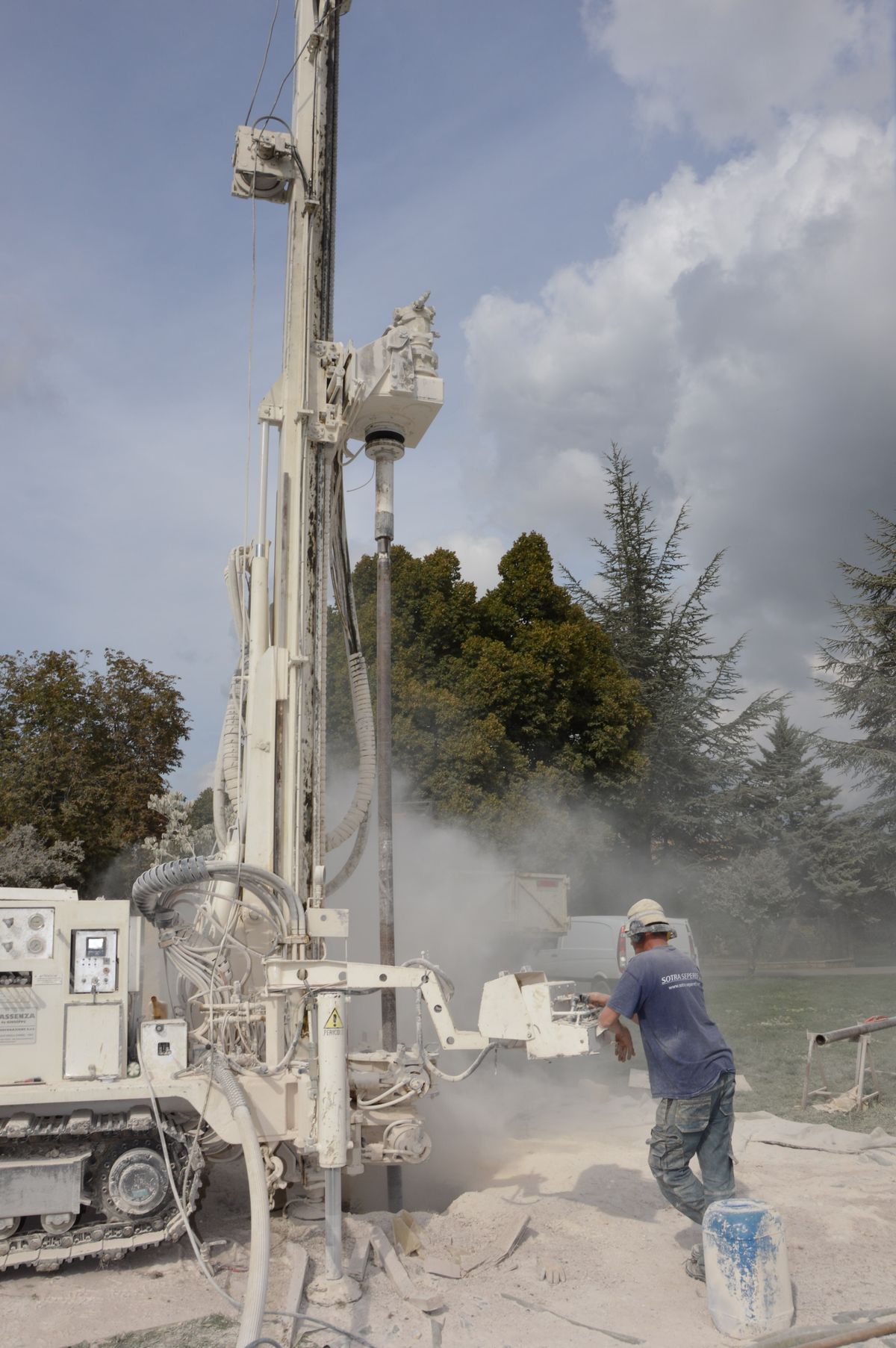
- What is the access situation? Drilling rigs need vehicle access to the site. Everest Drilling assesses access as part of the survey process.
- Tanker delivery: No upfront investment; ongoing recurring cost; dependent on supplier availability; volume-capped by delivery schedule
- Borehole: Once-off installation; no ongoing supply cost; fully independent; scalable to demand; permanent property asset
Contact Everest Drilling for a project-specific quotation. Our team will conduct a geophysical survey to assess groundwater suitability on your site before any commitment to drill.
Frequently Asked Questions
Related Reading
Get Your Water Independence
Contact Everest Drilling for a site assessment and project-specific quotation. We serve the Eastern Cape, KwaZulu-Natal, Gauteng and surrounding provinces.