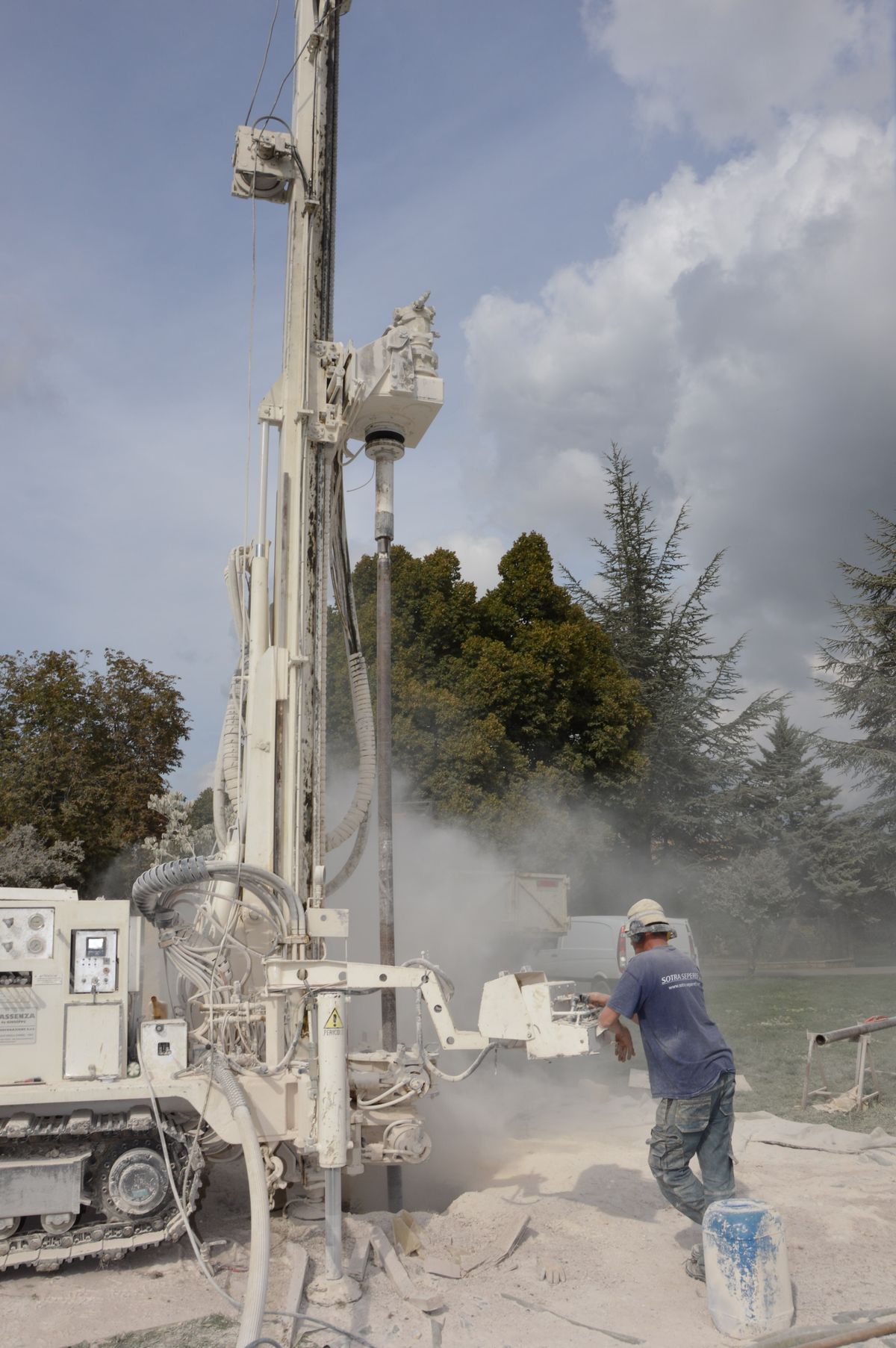
Not long ago, a residential borehole was considered something only farms and rural properties needed. That has changed. Across South Africa's cities and suburbs, homeowners are increasingly drilling boreholes — not as a luxury, but as a practical response to a water supply environment that has become less reliable, more expensive, and more susceptible to disruption than it was a decade ago.
Why Municipal Water Is No Longer Enough on Its Own
Municipal water in South Africa faces pressure from multiple directions simultaneously:
- Restrictions: Drought conditions in many parts of the country trigger water restrictions that limit garden irrigation, car washing, pool filling, and sometimes general household use.
- Tariff increases: Municipal water tariffs have increased substantially over recent years, and the trend shows no sign of reversing.
- Infrastructure failures: Ageing pipe networks, pump station failures, and treatment plant shutdowns cause unplanned supply interruptions in urban areas across all provinces.
- Load shedding: Eskom outages interrupt the electrically driven pump stations and treatment infrastructure that keep municipal water flowing. Extended outages can affect supply for hours or days.
A borehole does not resolve all water supply challenges, but it provides a second, independent source of water that operates on your property and is not affected by any of the above when correctly set up with its own pump and, optionally, backup power.
What Homeowners Typically Use Borehole Water For
Residential borehole water is well suited to non-potable applications that account for a significant portion of total household water consumption:
Common residential borehole applications:
- Garden and lawn irrigation — often the largest single water use on a suburban property
- Toilet flushing — a significant volume of total household water use
- Car and outdoor washing
- Swimming pool top-up and maintenance
- Washing machines (where a separate borehole supply line is plumbed in)
- General outdoor and cleaning use
Using borehole water for these applications reduces reliance on municipal supply for purposes that do not require treated drinking water. This means municipal supply — when available — can be reserved for drinking, cooking, and bathing where treated water quality is most relevant.
The Practical Difference During Restrictions and Outages
During municipal water restrictions, the most visible impact on residential properties is usually the prohibition of garden irrigation and outdoor water use. A borehole is not subject to municipal restrictions — it is groundwater drawn from the property's own geological source. Homeowners with a borehole can continue irrigating their gardens and maintaining outdoor areas during restriction periods when neighbours on municipal supply cannot.
During load shedding, when municipal pump stations fail and supply pressure drops, a borehole with a solar-powered or battery-backed submersible pump continues operating independently. Paired with an overhead storage tank, the system provides a gravity-fed supply buffer that can sustain basic household water use through extended outages.
Important: Borehole water yield and quality vary by property and geology. A geophysical survey before drilling gives the project the best available information for drill-point selection. Contact Everest to discuss the survey and drilling process for your property before committing to a project.
What to Consider Before Drilling a Residential Borehole
A few practical questions are worth thinking through before starting a residential borehole project:
- Property size and geology: The available space for the drill point and what is known about local groundwater conditions from neighbouring properties
- Intended use: Garden irrigation, toilet flushing, or full supplementary supply each have different volume and pump requirements
- Power supply at the pump location: Grid connection, solar panel option, or battery backup affects pump specification
- Storage: An overhead tank or ground-level tank increases supply buffer and reduces pump run frequency
- Plumbing separation: A qualified plumber will be needed to create a separate borehole supply line if borehole water is to be used inside the house, to ensure it is not mixed with municipal supply at the same outlets
Is a Residential Borehole Right for Every Property?
Not every property will yield a productive borehole. Geology varies significantly across and within urban areas. Properties in areas underlain by dense, unfractured rock may not intersect productive aquifer zones, and no drilling company can guarantee a productive outcome — that depends on what nature has placed underground at your specific location.
This is why a geophysical survey before drilling is strongly recommended. It gives the project the best available subsurface information and informs drill-point selection to maximise the probability of a productive result. Properties where a neighbour has a productive borehole are generally in areas with favourable groundwater geology — but the survey still provides value by identifying the optimal drill point on your specific stand.
Summary
A residential borehole provides an on-property, independent water supply that reduces municipal dependency for garden irrigation, toilet flushing, and outdoor use. In a South African context where restrictions, tariff increases, infrastructure failures, and load shedding make municipal supply less reliable, a borehole with a correctly sized pump and storage system is a practical addition to any property where the geology supports it. Starting with a geophysical survey gives the project its best foundation.
See how we completed a similar project for a residential client →