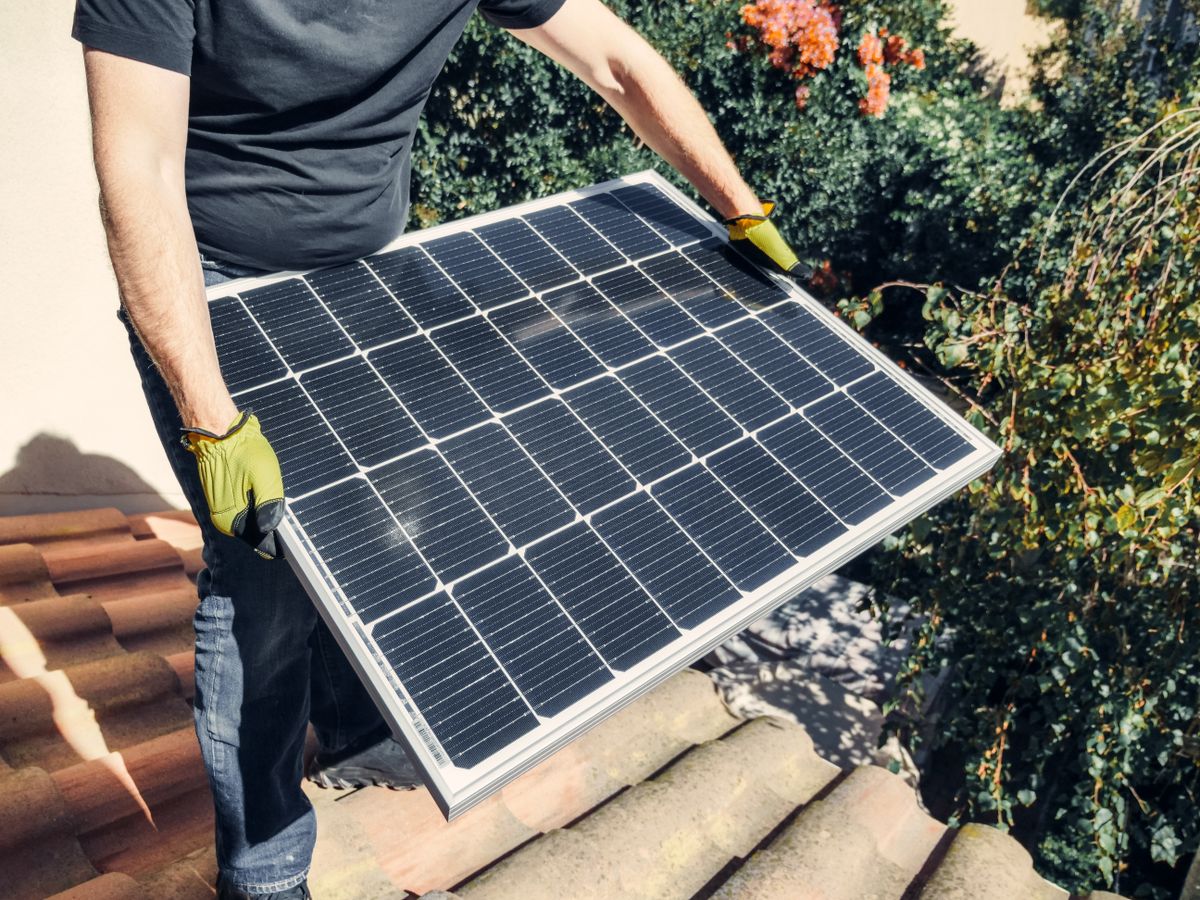
South Africa's load-shedding schedule has made solar-powered borehole pumps one of the most practical water supply choices for residential, farm, and commercial properties. When Eskom goes down, a solar pump continues pumping — because it has no connection to the grid at all. The sun powers the pump; the pump fills the overhead tank; the tank supplies the property.
Why Solar for South African Boreholes
The combination of South Africa's high solar irradiance and an unreliable grid makes solar pump systems particularly well-suited to local conditions. The Eastern Cape, in particular, has some of the best solar resources in the country — making solar pump economics even more favourable than in lower-irradiance regions.
For farms and rural properties where grid electricity is expensive to install or maintain, a solar pump system can be the most cost-effective primary water supply from day one. For urban and peri-urban properties, it eliminates the pump's electricity cost and removes the load-shedding vulnerability entirely.
How the System Works
Solar Panels
Generate DC power from sunlight during daylight hours
Pump Controller
Converts and regulates power to drive the pump at optimal speed
Submersible Pump
Draws water from the borehole and pushes it to surface
Overhead Tank
Stores water for 24/7 gravity-fed supply to the property
The overhead tank is the key to 24-hour supply from a daytime pump. During sunny hours, the pump fills the tank. After dark — or during a period of cloud cover — the property draws water from the stored volume in the tank. Tank sizing is calculated to hold enough water for your daily consumption, with a buffer for days of reduced solar output.
No battery bank required for most installations. Unlike solar electricity systems that need battery storage for nighttime use, a solar pump system stores its energy in the form of water in the overhead tank. This is typically simpler and more cost-effective than battery-based storage.
Benefits of Solar Pump Systems
Load-Shedding Proof
No grid connection means load shedding has no effect on water supply whatsoever.
No Running Electricity Cost
Once installed, the system runs on free solar energy. No monthly pump electricity bill.
Ideal for Farms & Off-Grid
Farms and rural properties benefit most — no grid connection needed at all.
Low Maintenance
Solar panels have no moving parts. The pump controller is solid-state. Fewer failure points than a grid-connected system.
Who Is a Solar Pump System Right For?
- Farms and agricultural properties — where Eskom supply is unavailable, unreliable, or costly to install
- Rural residential properties seeking complete water and electricity independence
- Urban and suburban homeowners who want to eliminate load-shedding disruption to water supply
- Game farms and lodges with remote water points requiring pump systems away from the main grid connection
- Commercial properties with high electricity costs and continuous water demand
Frequently Asked Questions
Can a solar borehole pump work at night?
A solar pump operating without a battery bank will not run at night, as there is no sunlight to power it. However, the system is designed around an overhead storage tank that is filled during daylight hours. The tank then provides gravity-fed water supply around the clock — including at night and during load shedding. The solar pump fills the tank; the tank supplies the property.
What happens to a solar borehole pump during cloudy weather?
During overcast or cloudy days, solar panel output is reduced and the pump may run at lower speed or for shorter periods. This is why an adequately sized overhead storage tank is essential — the tank stores water pumped during sunny periods and provides a buffer during days of reduced solar output. Everest Drilling sizes the tank to account for typical local weather patterns and daily consumption.
Does a solar pump cost more than an electric pump?
A solar pump system has a higher upfront cost than a grid-connected electric pump because it includes the solar panel array and pump controller in addition to the submersible pump itself. However, a solar system has no ongoing electricity running cost, is completely independent of Eskom and load shedding, and requires no generator backup. For farms, rural properties, and any location where grid supply is unreliable or expensive, the long-term economics of solar are typically favourable.