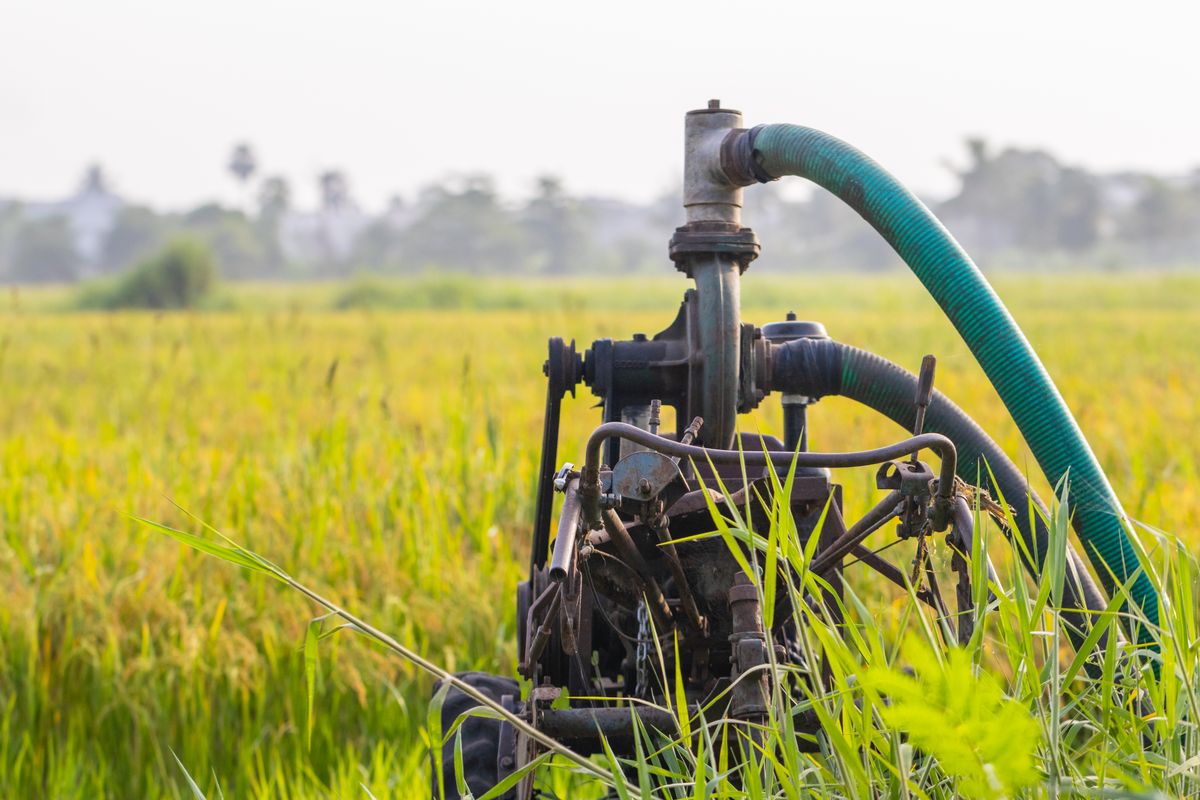
A borehole without a pump is just a hole in the ground. The pump system is what converts a drilled borehole into a functioning water supply for your property. Selecting and installing the right pump for your specific borehole and demand profile is critical — an incorrectly sized pump can underperform, shorten the pump's lifespan, or draw the borehole down faster than it can recover.
Submersible Pump Selection
All borehole pumps installed by Everest Drilling are submersible pumps — designed to operate fully submerged in the borehole water column. Submersible pumps are the standard for boreholes because they push water to the surface rather than pulling it, which is more efficient at depth and eliminates the need for surface-mounted suction equipment.
Pump selection involves matching two sets of parameters:
- Borehole yield — the sustainable flow rate the borehole can sustain without excessive drawdown. Determined by a yield test after drilling.
- Property demand — the volume of water your property needs per day and the peak flow rate required at any one time.
The pump is sized so that its flow rate does not exceed the borehole's sustainable yield. Running a pump faster than the borehole can supply leads to air ingestion, pump cavitation, and premature failure — one of the most common causes of early pump burnout.
Dry-run protection is fitted on every installation. A dry-run protection device monitors water level at the pump and shuts the system down automatically if the water level drops too low. This protects the pump from running dry during periods of high demand or reduced borehole yield.
The Installation Process
Yield Assessment
After drilling, a yield test establishes the borehole's sustainable output. This determines the maximum pump flow rate that can be safely sustained.
Pump Selection & Supply
Based on the yield test result and your consumption requirements, the appropriate pump is selected and supplied. The pump diameter must also fit within the borehole casing diameter.
Pump Lowering & Connection
The pump is attached to the rising main (the pipe that carries water to surface) and the electrical cable, then lowered to the correct operating depth inside the borehole.
Control Panel & Commissioning
The surface control panel is installed and wired. Dry-run protection, float switch connections to the overhead tank, and system pressure are set and verified. The system is commissioned and tested before handover.
Maintenance Tips
A well-maintained pump system extends the working life of the installation significantly. Key maintenance considerations:
- Annual inspection of the pump, rising main, and control panel
- Check and clean the wellhead seal to prevent surface water ingress into the borehole
- Monitor the borehole's recovery rate — a change in recovery rate can indicate the need for borehole rehabilitation
- Do not run the pump if the borehole is known to be pumping air or sediment — investigate before continuing operation
Frequently Asked Questions
What pump size do I need for my borehole?
Pump sizing depends on your borehole's sustainable yield and your property's daily demand. A pump that draws water faster than the borehole can sustain will run the borehole dry and burn out. Everest Drilling sizes the pump based on a yield test conducted after drilling, matched to your consumption requirements.
How long does pump installation take?
A standard submersible pump installation typically takes one day. This includes lowering the pump to the correct depth, connecting the rising main and electrical cable, installing the control panel and dry-run protection, and commissioning the system. More complex installations involving solar panels or large overhead tank connections may take longer.
How long does a submersible borehole pump last?
A correctly sized and installed submersible pump, operated within its rated parameters and with dry-run protection fitted, can last many years with routine maintenance. Pump lifespan is significantly shortened by oversizing, running dry, and water containing high levels of abrasive sediment. Regular annual inspections help catch wear before it causes failure.