Mthatha is the largest city in the OR Tambo District Municipality and the economic hub of the former Transkei. Despite its size, the city's water supply infrastructure faces ongoing pressure from ageing infrastructure, population growth and load shedding — all of which contribute to frequent, unannounced interruptions in water delivery to homes, businesses and institutions across the city and surrounding suburbs.
For many Mthatha residents and business owners, these interruptions are not occasional inconveniences — they are regular events that disrupt daily life, business operations, and productivity. A private borehole offers a direct solution: water that is independent of municipal infrastructure, always available, and under the property owner's control.
Why Municipal Water Interruptions Happen in Mthatha
Municipal water supply depends on a chain of infrastructure — pumping stations, treatment works, storage reservoirs, and distribution pipelines. Any break in this chain affects supply. In Mthatha, common causes of interruptions include:
- Load shedding: Municipal pumping stations require electricity to operate. Extended Eskom outages drain reservoirs faster than they can be refilled, causing pressure drops or supply failures across parts of the network.
- Ageing infrastructure: Pipe bursts, valve failures and pump breakdowns affect distribution network reliability.
- Demand outpacing capacity: Population growth places pressure on systems that were designed for smaller communities.
- Maintenance shutdowns: Planned and unplanned maintenance work can cut supply to entire sections of the city without adequate notice.
How a Borehole Solves the Problem
A borehole taps directly into the groundwater beneath your property. It is entirely separate from the municipal network — no pump station failures, no pipe bursts, no load shedding interruptions affect your supply. Once installed, the borehole is yours to manage and maintain independently.
In Mthatha, groundwater is stored in fractures within the underlying shale and dolerite rock formations. These fractures are persistent — they do not dry up seasonally the way surface water does. A properly sited and drilled borehole provides a stable, year-round water source.
- Water supply independent of the municipal network
- Protection from load shedding water disruptions (with solar pump option)
- A consistent supply for household, business or commercial use
- Reduced dependence on expensive water tanker deliveries during outages
Solar vs Grid-Powered Borehole Pumps in Mthatha
A grid-powered submersible pump is the standard option for properties with a reliable electricity connection. However, given the frequency of load shedding in Mthatha, Everest Drilling often recommends pairing a borehole with a solar pump system to ensure water remains available during outages.
A solar-powered system charges during daylight and pumps water into an overhead storage tank. The stored water then flows by gravity to the property at any time — including during load shedding. This combination makes a Mthatha borehole fully self-sufficient.
Everest Drilling guarantees the depth of the borehole as quoted and drilled. Each project begins with a geophysical survey to confirm groundwater locations — we do not drill blind. Contact us for a project-specific quotation for your Mthatha property.
What to Expect When Installing a Borehole in Mthatha
The process Everest Drilling follows for Mthatha borehole installations:
- Geophysical survey — our team conducts surface measurements to locate productive groundwater fractures on your property
- Site confirmation and quotation — based on survey findings, we provide a project-specific quotation covering drilling depth, casing, pump and tank
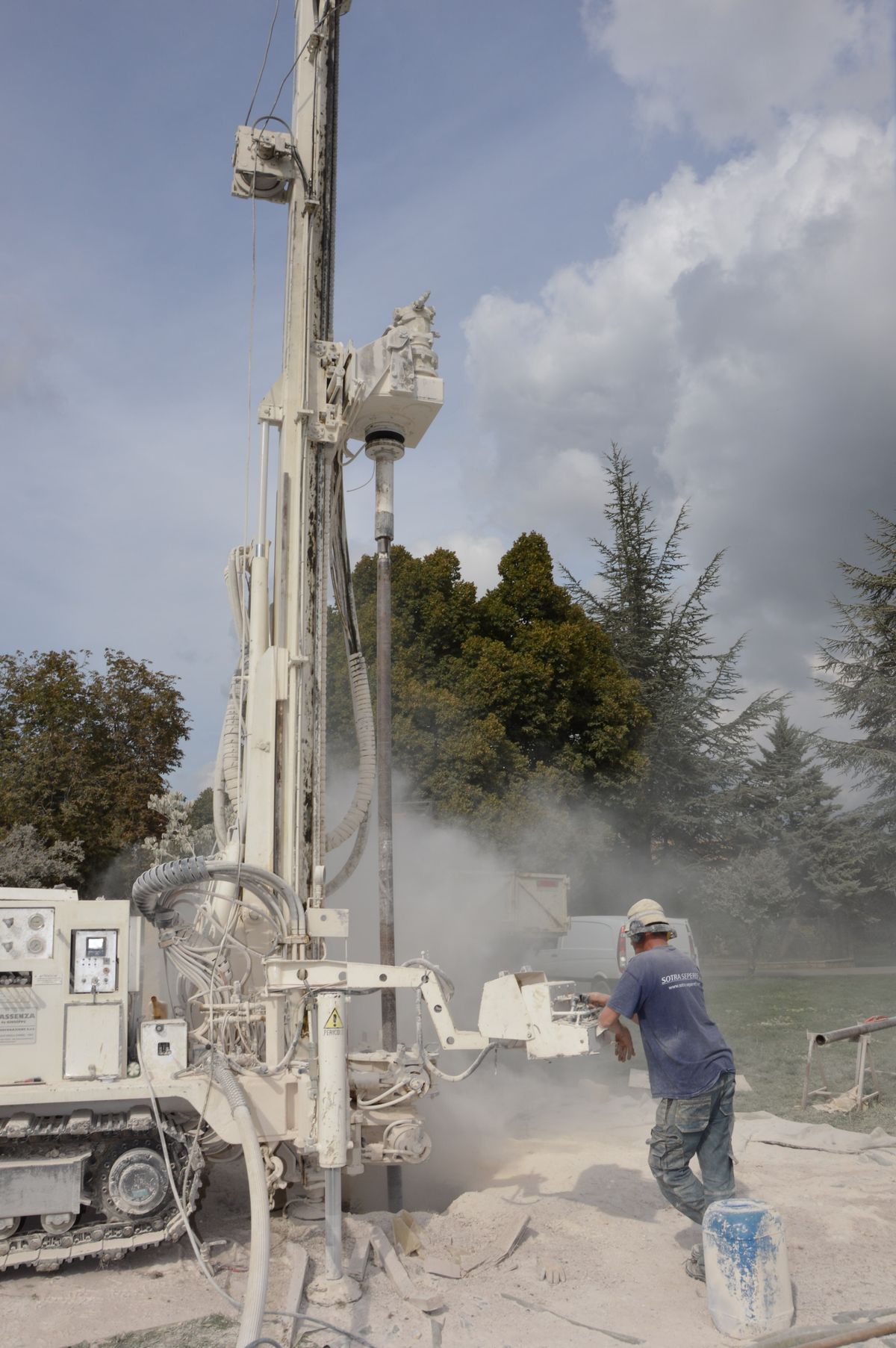
- Drilling — our rig drills to the confirmed depth and installs casing to stabilise the borehole
- Yield assessment — water flow is measured to confirm the borehole's productivity
- System installation — submersible pump, rising main, control panel and overhead storage tank are fitted and commissioned
Drilling typically takes one to two days. The complete system is usually commissioned within three to five working days from survey to running water.
Frequently Asked Questions
Related Reading
Get Your Water Independence
Contact Everest Drilling for a site assessment and project-specific quotation. We serve the Eastern Cape, KwaZulu-Natal, Gauteng and surrounding provinces.