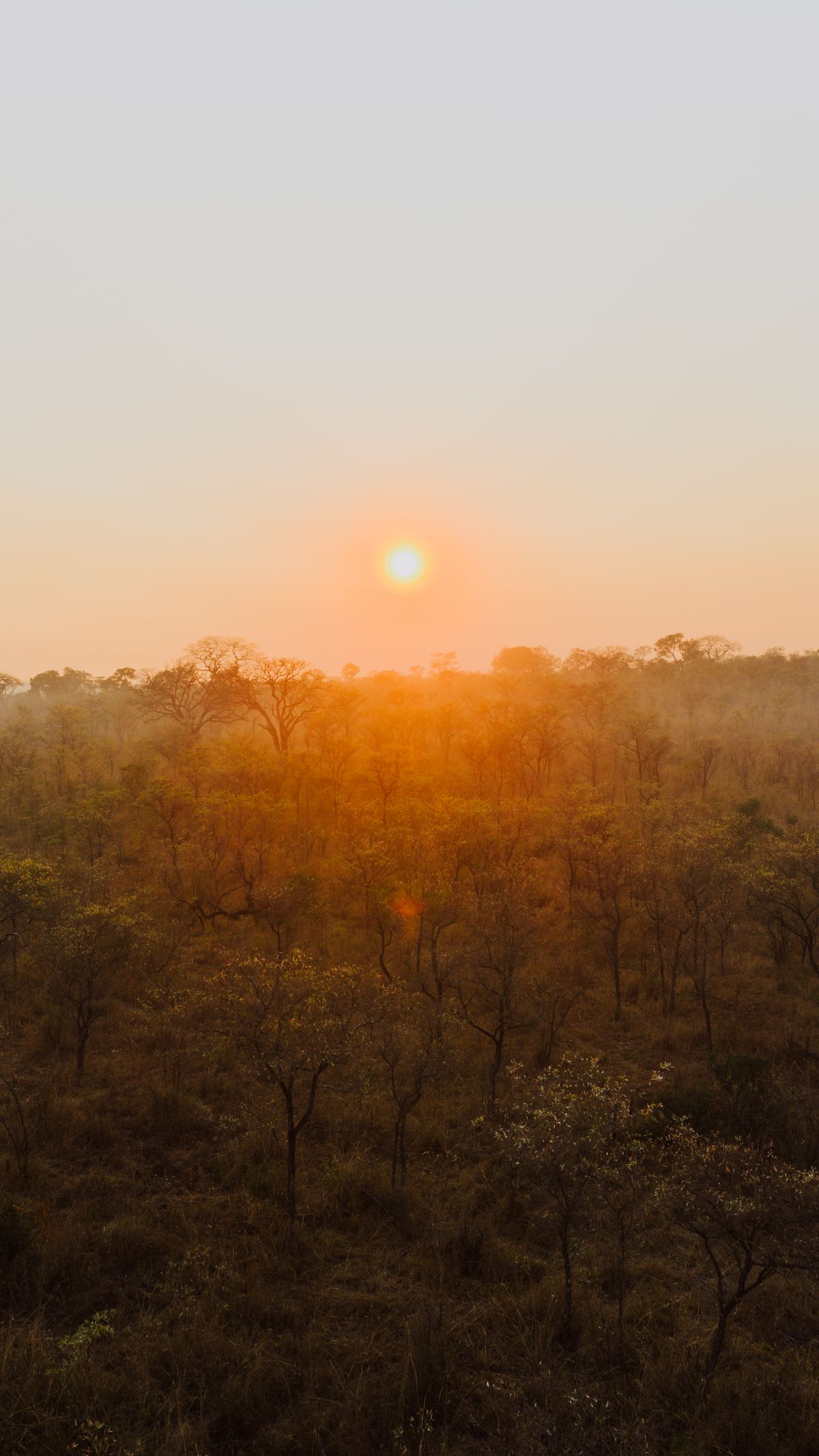
The Wild Coast stretches roughly 280 km along the Eastern Cape coastline from the Great Kei River to the KwaZulu-Natal border. It is one of South Africa's most scenic and undeveloped coastal regions — and one where municipal water infrastructure is sparse or non-existent across large parts of its length. Homes, lodges, guesthouses, farms and rural communities along this coastline frequently depend on private boreholes for their water supply.
Everest Drilling works across the Wild Coast, including Port St Johns, Lusikisiki, Coffee Bay, Hole in the Wall, Mthatha, and surrounding coastal communities. This guide covers what the geology means for borehole siting and what property owners should expect from the drilling process.
Wild Coast Geology — What Lies Beneath
The Wild Coast sits on the Karoo Supergroup, a sequence of sedimentary rocks including shale, sandstone and mudstone. These formations are cut through in many places by hard dolerite intrusions — vertical dykes and horizontal sills that intruded during ancient volcanic activity.
Groundwater on the Wild Coast is stored in fractures within this rock rather than in open porous layers. The most productive zones are typically found where:
- Dolerite intrusions have fractured the surrounding sedimentary rock at their contacts
- River and stream valleys have created alluvial deposits that hold shallower, accessible water
- Fault lines and geological joints have produced open fracture networks
Coastal proximity brings its own consideration: properties very close to the ocean must be sited with care to avoid drawing from the saline water table. A geophysical survey by Everest Drilling identifies this risk before drilling begins.
The Role of a Geophysical Survey on the Wild Coast
Given the variability of Wild Coast geology — where a productive fracture system can be adjacent to a dry formation within a few hundred metres — a geophysical survey is not optional. Everest Drilling conducts surface geophysical measurements to map underground fractures, identify water-bearing zones, and recommend optimal drilling positions.
This step is what separates a productive borehole from a dry or low-yielding one. Properties that have previously experienced failed boreholes often did so without a proper survey.
- Always start with a geophysical survey — terrain, vegetation and "local knowledge" are not reliable substitutes
- Assess distance from the ocean — saline intrusion risk rises closer to the shoreline
- Consider access for a drilling rig — some coastal properties require road preparation
- Plan for solar power if you are off-grid or on an unreliable supply
Drilling Depth on the Wild Coast
Borehole depth on the Wild Coast is site-specific and determined by the geophysical survey. Productive fractures may be encountered at varying depths depending on the local geological structure. Everest Drilling guarantees the depth of the borehole as quoted and drilled — and our rigs are capable of drilling up to 250 m where the geology requires it.
River-valley and low-lying coastal sites tend to intersect water at shallower depths. Elevated sites above hard dolerite formations may require deeper drilling before reaching productive fractures.
Solar Pumps for Off-Grid Wild Coast Properties
A significant portion of the Wild Coast has limited or no grid electricity. For these properties, a solar-powered borehole pump system is the practical standard. Solar panels drive a submersible pump during daylight hours, filling an overhead storage tank. The stored water then flows by gravity to the property at any time — no grid connection required.
For properties with grid access, an electric submersible pump is an alternative. However, given load shedding across South Africa, Everest Drilling recommends solar systems for Wild Coast installations where supply continuity is a priority.
A well-designed Wild Coast borehole system includes a geophysical survey, a correctly sited and drilled borehole, a solar pump matched to the borehole yield, and an overhead tank sized to meet the property's daily water demand. Contact Everest Drilling to discuss your specific site.
Overhead Storage Tanks for Coastal Properties
An elevated storage tank is an essential part of any Wild Coast borehole system. It provides a gravity-fed water supply that is independent of pump operating hours and unaffected by outages. Tank sizing depends on daily demand — whether the property is a private home, a guest lodge or a farming operation — and Everest Drilling advises on this as part of the project scope.
Frequently Asked Questions
Related Reading
Get Your Water Independence
Contact Everest Drilling for a site assessment and project-specific quotation. We serve the Eastern Cape, KwaZulu-Natal, Gauteng and surrounding provinces.