Most South Africans understand that load shedding means no lights, no stove, and possibly no Wi-Fi. What is less well understood is that extended Eskom outages also interrupt municipal water supply — sometimes for hours after power has been restored. For homes and businesses that rely entirely on municipal water, this creates a compounding problem that no emergency candle can solve.
This article explains exactly why load shedding affects water supply, which parts of the country are most exposed, and how an independent borehole removes this dependency entirely.
Why Load Shedding Interrupts Your Water Supply
Municipal water does not flow by gravity from a central reservoir to every tap in a city. In most urban and peri-urban areas, it is actively pumped — from dams and rivers through treatment works, then through a network of booster pumping stations to maintain pressure across the distribution system.
Every pumping station in this chain requires electricity to operate. When Eskom implements load shedding, pumping stations lose power. Without active pumping, pressure in the network drops. If the outage is long enough — or if the municipality does not have generator backup for every station — water stops flowing to homes and businesses in affected areas.
Elevated storage reservoirs buffer this somewhat: water stored at height continues to drain by gravity while pumps are off. But during Stage 4 and above, or when outages are back-to-back, these reservoirs drain faster than they can be refilled. The result is low pressure, intermittent supply, or no water at all.
How Municipal Water Infrastructure Depends on Electricity
The dependency runs deeper than most residents realise. Here are the electricity-dependent points in a typical municipal water supply chain:
- Raw water abstraction pumps — lift water from dams, rivers, or boreholes into treatment works
- Water treatment plant operations — filtration, chemical dosing, and UV treatment systems
- High-lift pumping stations — pump treated water from works to storage reservoirs
- Network booster stations — maintain pressure in low-lying or distant distribution zones
- SCADA monitoring systems — remote monitoring and control of the network
Municipalities vary in how much generator backup they have installed at critical stations. Larger metros have more backup capacity; smaller municipalities and towns are often far more exposed. In rural areas serviced by municipal supply, even a single pumping station failure can cut water to an entire district.
Which South African Areas Are Most at Risk?
Properties in hilly terrain — Johannesburg's suburbs and Durban's hillside areas — are among the most vulnerable. These areas are served by booster pumping stations that maintain uphill pressure. When those stations go offline, pressure collapses almost immediately.
Flat, centrally located areas served by large storage reservoirs may experience several hours of supply before pressure drops noticeably. But extended Stage 6 schedules mean reservoirs cannot refill between outages, and the accumulated deficit becomes visible.
Areas served by smaller municipal systems — particularly those with ageing infrastructure and limited generator coverage — can lose supply within minutes of load shedding beginning and may not recover until hours after power is restored, because pump restart sequencing takes time and reservoirs must refill before normal pressure returns.
The Knock-On Effects of Water Loss During Outages
Domestic water loss during load shedding has a cascade of practical consequences:
- Toilet flushing, hand-washing, and cooking become impossible
- Hospital, clinic, and care facility operations are disrupted
- Industrial processes requiring continuous water supply are halted
- Fire risk increases as hydrants and sprinkler systems lose pressure
- Agricultural operations — irrigation and livestock water — are interrupted
- Post-outage, the sudden restoration of supply can cause water hammer damage to plumbing
For commercial and industrial properties with high daily water demand, even a few hours of supply interruption per day represents significant operational risk and cost.
How a Borehole Removes This Dependency
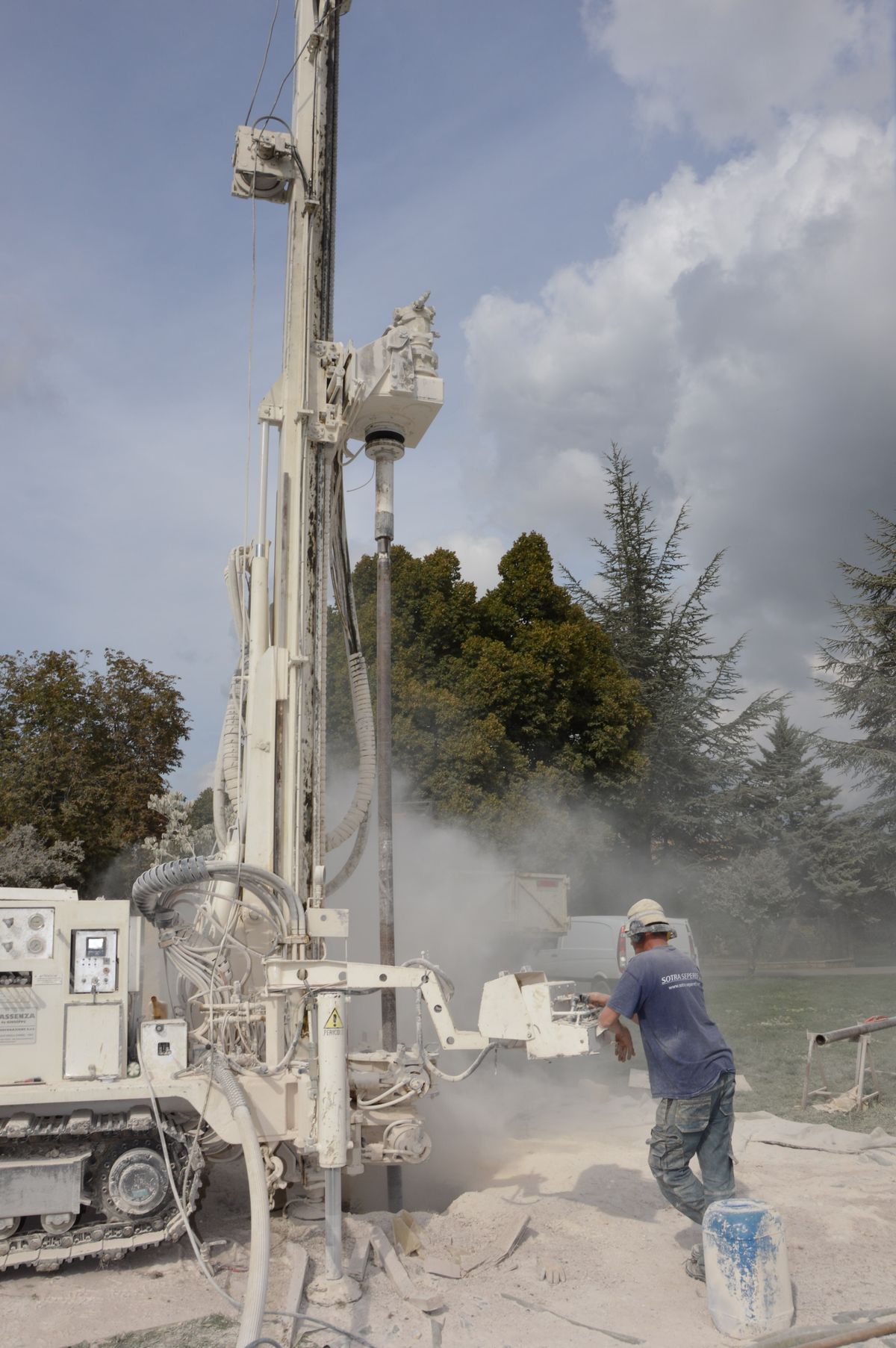
A borehole draws groundwater from aquifer fractures in the bedrock beneath your property. Groundwater is not part of the municipal network and is not affected by pumping station outages. When municipal supply fails, a borehole system continues operating independently — provided the borehole pump itself has a power supply.
This is where pump power selection becomes important. A borehole pump connected only to the municipal grid will lose power during load shedding just like everything else. The solution is a pump system with independent power — either a solar-powered setup, a battery backup, or a dedicated generator connection.
An overhead storage tank fed by the borehole pump adds a further layer of resilience. The tank accumulates stored water during pump-on periods, which gravity then delivers to the property during pump-off periods. A correctly sized tank can supply a household through a 12-hour outage without the pump running at all.
Key point: A borehole alone does not solve the load-shedding water problem if the pump loses power. The complete solution is: borehole + solar or battery-backed pump + overhead storage tank. Together, these three elements create a water supply that is independent of both Eskom and the municipal network.
Solar and Battery-Backed Pump Options
Borehole submersible pumps can be connected to various independent power sources:
- Solar-direct systems — pump runs only when solar panels generate sufficient power; suited to daytime irrigation and tank filling
- Solar with battery storage — pump draws from batteries charged by panels, enabling operation during cloudy periods and at night
- Grid-tied with battery backup — pump operates on grid when available, switches to battery during load shedding automatically
- Generator connection — pump runs on a portable or fixed generator during outages
The right configuration depends on your daily water demand, pump power draw, available rooftop space for panels, and budget. Everest Drilling can advise on pump specifications that suit your intended power configuration — the pump must be correctly matched to the power source for efficient, reliable operation.
Is a Borehole the Right Response for Your Property?
A borehole is a long-term infrastructure investment, not an emergency purchase. The groundwater resource beneath a property must be properly assessed before drilling — this is done through a geophysical survey that maps underground fractures and identifies the most productive drilling location.
Not every property has accessible groundwater at practical depths. The geophysical survey answers this question before any commitment is made. Properties that do have accessible groundwater can then proceed to drilling, pump installation, and tank construction as a phased or turnkey project.
For South African homeowners, farmers, and commercial operators who have experienced repeated water supply interruptions during load shedding, a borehole addresses the root cause: dependency on an infrastructure chain that Eskom's grid problems are steadily undermining. Read more in our borehole vs municipal water comparison for a broader analysis of both options.
Related Articles
Common Questions
Secure Your Water Supply
Contact Everest Drilling to find out whether your property has accessible groundwater — and what a full borehole system would involve.